
Section 2: Determining “Preceptor’s Style” and “Learner’s Style”
Part 6. Determining “Preceptor’s Style” and “Learner’s Style”
Consider each person’s style and understand how to optimize communication with each other. This will maximize learning while building mutual respect.
Basic Learning Styles
- Visual Learner
- Auditory Learner
- Reading and Writing Learner
- Kinesthetic Learner
The VARK Questionnaire for learning styles is a short survey that asks questions about specific scenarios to help determine what type of learner you are. It then assigns a numeric score for each of the four categories and provides a customized profile that explains the results and provides optimal learning strategies. Additional questions about current learning methods are also available to help assess whether those strategies are the best for your learning style.
Why does this matter?
If the preceptor is a visual learner they will likely teach in that same style, using graphs and diagrams for example, but if the student is an auditory learner and needs to hear explanations they may struggle. The preceptor may have to adjust their methods to better match the student.
Communication Styles
Communication styles play an important role in the effectiveness of the interaction between preceptor and student. Preceptors should recognize their own communication style and that of their student in order to maximize their teaching impact, navigate conflict, and provide constructive feedback.
Communication Style Questionnaires
- Four Basic Communication Styles is a document that gives examples of personality traits of each type of communicator and provides samples of verbiage used.
- Passive
- Aggressive
- Passive-Aggressive
- Assertive
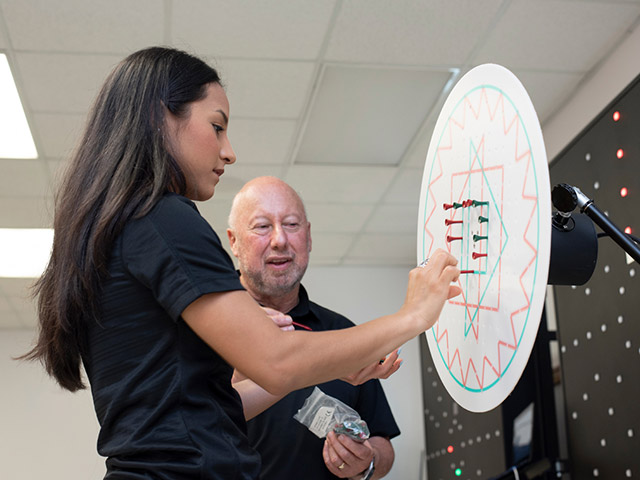
Image courtesy of: UIW Rosenberg School of Optometry
Four styles identified through a series of simple descriptions to determine if you are a Director, Presenter, Mediator or Strategist. Then strengths and weaknesses of each type are discussed with directions on how to coach/teach each type and conversely, how each type best receives said coaching/teaching
- Comparison of Communications Styles Amongst Students in Allied Health Professions Programs: How Do Our Students Communicate with Other Healthcare Providers? | Buhler | Journal of Research in Interprofessional Practice and Education
- Journal article analyzing use of PCSI to assess and improve patient outcomes in an interprofessional setting
- 5 Minute Personality Test:
- Rating system for descriptions of personality style preferences used to generate score categorizing personality type using animal analogies:
- Lion
- Otter
- Golden Retriever
- Beaver
- Strengths/weaknesses of each type listed along with other characteristics such as communication style, motivation, time management, wants, needs
- Rating system for descriptions of personality style preferences used to generate score categorizing personality type using animal analogies:
Why does this matter?
If a student communicates in a passive style but the preceptor has an assertive communication style, then the preceptor might perceive the student as weak in knowledge base or clinical comprehension. Both student and preceptor might need to adjust their style, or at minimum, acknowledge the communication style differences and not attribute them negatively towards the other party.