

Section 4: Providing Verbal Feedback in the Clinic
Effective feedback is one of the most powerful tools in clinical education, and timing plays a critical role in its impact. The closer feedback is given to the actual patient encounter or learning moment, the more meaningful and actionable it becomes for the student. By addressing observations promptly, preceptors help students make immediate connections between their actions and the learning points.
Feedback should always be delivered in a private setting—away from peers—to preserve the student’s confidence and create a safe space for growth. Framing the conversation with respectful, open-ended questions encourages dialogue, reflection, and deeper understanding, transforming feedback into a collaborative learning experience rather than a one-way critique. Additionally, when completing online evaluations such as Meditrek, preceptors should strongly consider discussing any substantial concerns—especially if the evaluation reflects failing performance—before submitting the form. Waiting a week or more to address written concerns can create unnecessary anxiety for the student; discussing issues in real time ensures clarity, transparency, and fairness in the evaluation process.
Verbal feedback should be used when:
- The feedback has a lot of nuances and details. Emails are not the best way to discuss complicated situations, and difficult to have back and forth responses. A lot can be inferred from tone of voice during the verbal feedback that might be imagined to be completely different in the body of text of an email. Body language is very important during difficult conversations. In addition, the recipient of the feedback would have the opportunity to explain their side of the story.
- Preparation of the recipient is best so that they can be mentally and emotionally prepared. State how and when you plan to give verbal feedback as part of your expectations from day one. Recommended at minimum: Midterm and Final performance feedback in person.
- Your goal is to preserve the relationship and to improve the person’s performance. Emphasize this with your students, as this message can easily get lost in discussion.
- Resentment has been building up and the relationship is deteriorating.
- …all else fails: A written request for a meeting might be appropriate. Follow up with a written summary of the conversation.
Issues to keep in mind for verbal feedback
- Understanding the grading rubric:
Preceptors should be familiar with the grading criteria for each class year and term. Knowing the rubric helps set appropriate expectations, guides goal-setting, and ensures feedback aligns with the student’s stage of training. - Moving from feedback in the lab to feedback in the clinical setting:
Clinical feedback is typically one-on-one, integrates multiple steps, and addresses the broader context of patient care. In contrast, lab or classroom feedback tends to focus on isolated tasks or group performance. Students should understand that mistakes are part of learning, but errors in clinical care may have higher stakes and require more urgent or intensive remediation than those made in controlled didactic environments. - Preparing students to receive real-time clinical feedback:
Students may need priming to transition into real-world clinical expectations. This includes setting clear expectations during orientation, outlining responsibilities for patient care and documentation, scheduling time for end-of-session feedback, and notifying students when you plan to discuss their progress. Clear preparation helps students receive and apply feedback more effectively.
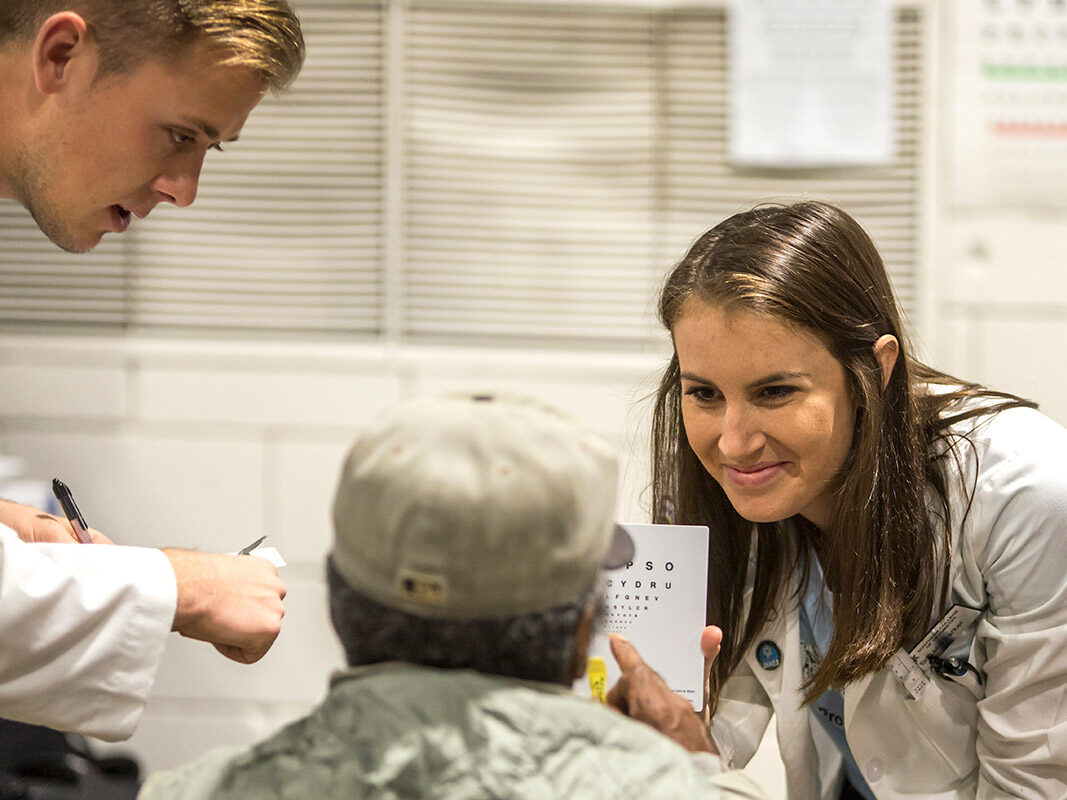
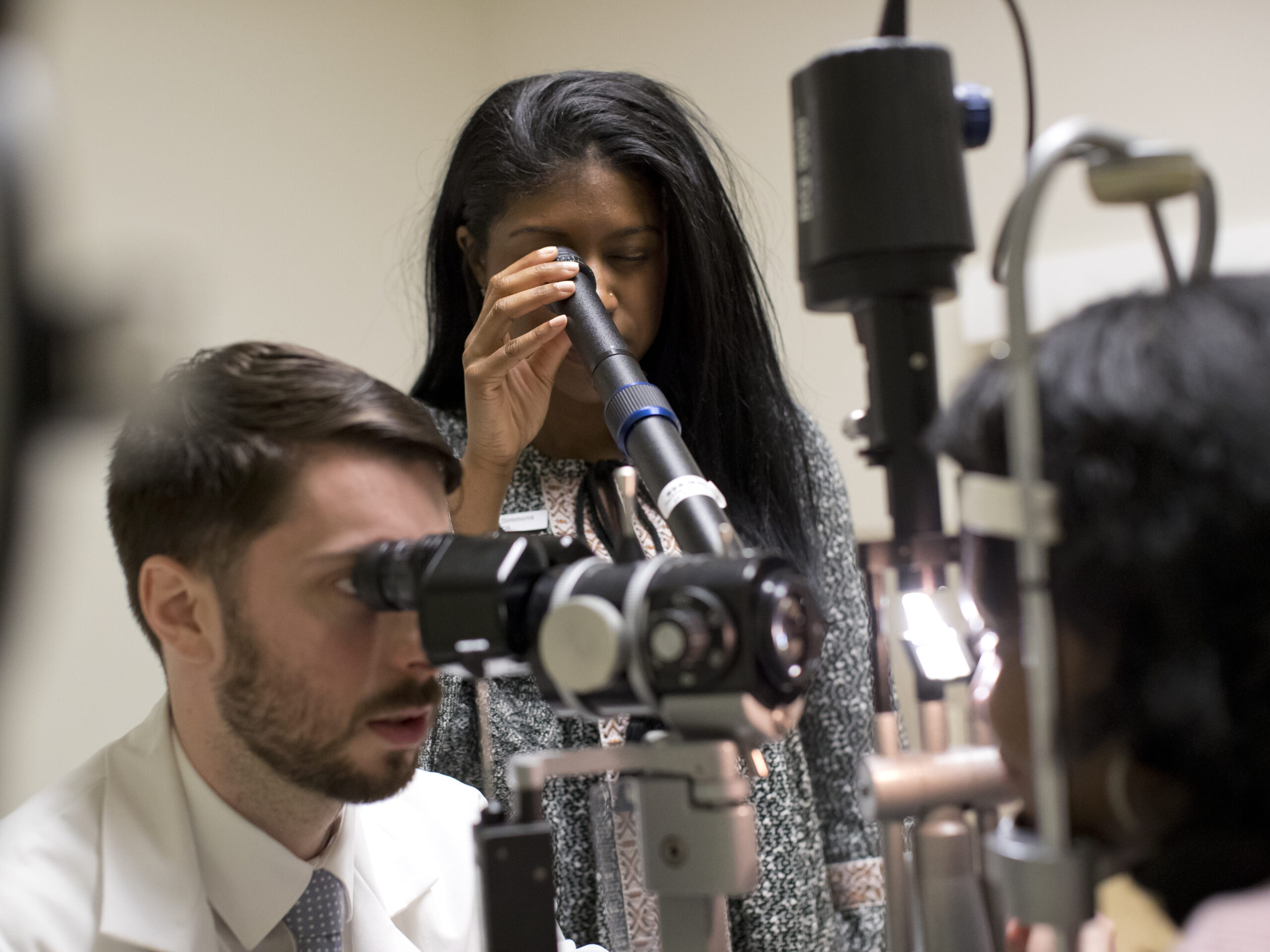

Preceptor Pearl: Illusion of transparency is the mistaken belief that others can read our thoughts and feelings without us saying anything. This can lead preceptors to unintentionally soften negative feedback, assuming the student already understands their concerns. For example, a preceptor might feel frustrated with a student’s repeated tardiness but only say, “Try to be on time,” assuming the student senses their disappointment. In reality, the student may not realize how serious the issue is. To avoid miscommunication, preceptors should clearly express expectations and feedback. If a difficult conversation is expected, it’s helpful to prepare in advance.
Giving a remedial grade
- Give a heads up to the student that you would like to verbally discuss their clinic grade.
- Provide a safe, quiet space and close the door so that others cannot overhear.
- Remember that grading expectations change from semester to semester (they may have met previous semesters’ expectations, but have not met the current criteria).
- Be a calming presence. If they start crying, be ready to give them a minute if they need time to calm down and have tissues readily available.
- Stay objective with the goal of helping them to improve.